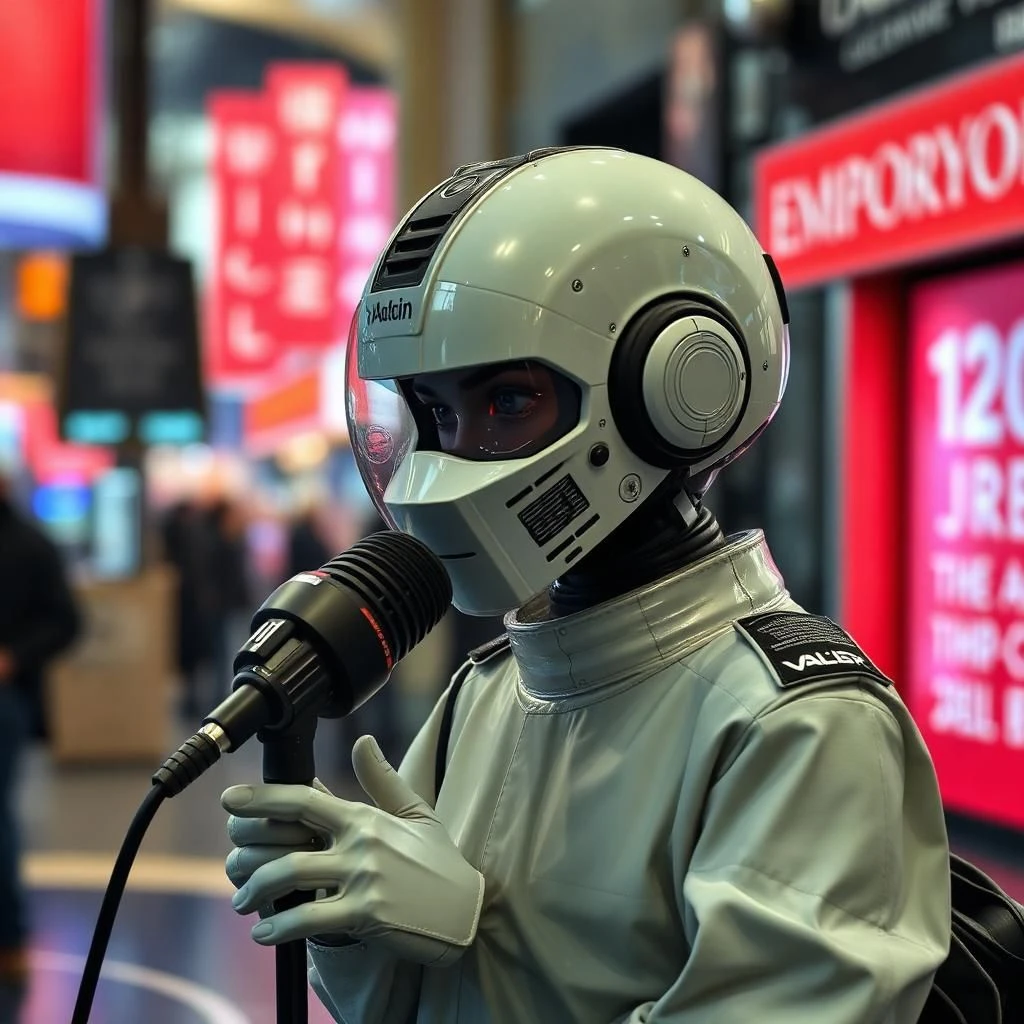
In the fast-paced world of digital content, turning static images into dynamic videos is no longer a time-consuming process reserved for professionals. Today’s AI-powered tools make it possible to transform photos into engaging motion clips within seconds. These innovations are changing the way creators, marketers, and filmmakers tell stories—enabling them to produce stunning visuals without expensive equipment or lengthy editing timelines. Here’s a look at five standout tools that make breathing life into still images effortless.
1. Invideo AI
Invideo AI is leading the charge when it comes to converting images into engaging videos. This platform combines advanced AI algorithms with an intuitive interface, making it accessible to both beginners and seasoned creators. With its image to video ai capabilities, users can turn a single photograph into a cinematic sequence complete with animations, text overlays, transitions, and background music. Beyond basic motion effects, invideo AI can integrate voiceovers, subtitles, and even AI-generated scripts, allowing users to produce professional-grade content quickly. For creators who want to go from idea to polished video without learning complex editing software, invideo AI delivers an all-in-one creative solution.
Another major advantage is its versatility—it’s not just for marketing or social media content. Photographers can animate still shots for portfolios, educators can bring static diagrams to life, and brands can transform product photos into promotional videos. For those seeking an affordable free ai video app alternative with premium features, invideo AI offers both free and paid plans, making it accessible to a wide range of users. Plus, its cloud-based system ensures that projects are easy to access and edit from anywhere, eliminating the need for heavy local software.
2. Pika Labs
Pika Labs has gained attention for its creative AI technology that turns images into cinematic animations. With simple prompts, users can define how an image should move—whether that’s subtle parallax effects, animated skies, or dramatic camera zooms. The platform’s strength lies in its realistic motion rendering, which ensures that animations feel natural rather than overly artificial. Pika Labs is ideal for short-form content creators who want to add a professional touch to TikToks, Instagram Reels, or YouTube Shorts without spending hours editing.
3. Runway ML
Runway ML is a powerhouse for AI-driven creative tools, and its image animation feature is no exception. The platform allows users to take a static image and apply motion effects, generate entirely new frames, or even transform the style of the footage. Runway ML’s generative AI models also make it possible to replace backgrounds, animate characters, or create seamless video loops from still images. With collaborative features and cloud storage, it’s a popular choice among creative teams working on both commercial and artistic projects.
4. D-ID
D-ID specializes in creating talking head videos from still images, making it a go-to for educational, corporate, and entertainment purposes. Using AI, it can animate facial expressions, lip-sync audio, and create lifelike movements from a single portrait. This is particularly valuable for businesses looking to produce training videos, language tutorials, or marketing content without hiring actors. The tool supports multiple languages, making it a global solution for content localization. D-ID’s simplicity—upload a photo, add a voice track, and let the AI do the rest—makes it perfect for non-technical users.
5. Animoto
Animoto is a well-established platform for turning photos into videos with professional polish. While not purely AI-based like some newer tools, Animoto has incorporated smart automation features that speed up the process. Users can upload images, choose a template, and let the system apply transitions, music, and text. It’s especially useful for marketers who want to produce social media ads, highlight reels, or promotional clips in minutes. Animoto also offers robust branding options, so businesses can maintain consistent colors, fonts, and styles across all content.
Why These Tools Matter
The ability to animate still images is opening new creative possibilities for everyone—from solo content creators to big production houses. AI-driven image-to-video tools don’t just save time; they also expand what’s possible, letting users experiment with effects and storytelling techniques that once required expensive hardware or specialized skills.
By integrating these tools into their workflow, creators can deliver richer visual experiences, keep audiences engaged, and produce content at a speed that matches the demands of modern platforms. Whether it’s for marketing, education, entertainment, or personal projects, the tools above prove that bringing images to life has never been more accessible—or more exciting.
About the Author


